
Residential Rental Management · Kampala, Uganda
Residential rental managers in Uganda Kampala help landlords administer houses, apartments, rooms and multi‑unit properties. This guide explains what the role actually involves rental payment administration, payment reconciliation, arrears monitoring, tenant records, tenancy documentation and maintenance request coordination and how Just To Let supports landlords with these established responsibilities.
No obligation · All three services are completely free
Quick answer: Residential rental managers in Uganda Kampala administer the records, payments, tenant information and property communication associated with residential rental units. Their work typically includes maintaining property and unit records, recording and reconciling rental payments, monitoring outstanding balances, organising tenant files and tenancy documentation, coordinating maintenance requests where authorised, and keeping landlords informed. They are not automatically property sales agents, and not every manager provides the same scope.
This page explains the role in practical terms, distinguishes it from adjacent services, and shows how Just To Let supports residential landlords through established rental administration activities. It is written for landlords in Kampala and across Uganda who are deciding what to delegate and how to evaluate a provider.

A residential rental manager is responsible for the administrative layer of a residential tenancy. The role sits between the landlord and the tenant, and its purpose is to keep the rental arrangement organised, documented and visible. In Uganda’s rental market, where landlords may own units in different parts of Kampala or Wakiso and where records are often scattered across messages, notebooks and memory, that administrative layer matters.
The responsibilities usually include maintaining residential rental management records, recording rental payments, reviewing payment information for discrepancies, monitoring outstanding balances, organising tenant records and tenancy documents, documenting maintenance concerns and coordinating communication with the landlord and tenants. The exact scope should always be agreed in writing, because providers use the title “residential rental manager” to describe different combinations of tasks.
A residential rental manager is not the same as a property sales agent, and the role does not automatically include physical rent collection, repairs, tenant sourcing, legal representation or debt enforcement. Those are separate services that must be confirmed individually. The focus of this page is the administrative relationship between the landlord, the manager, the tenant and the residential property.
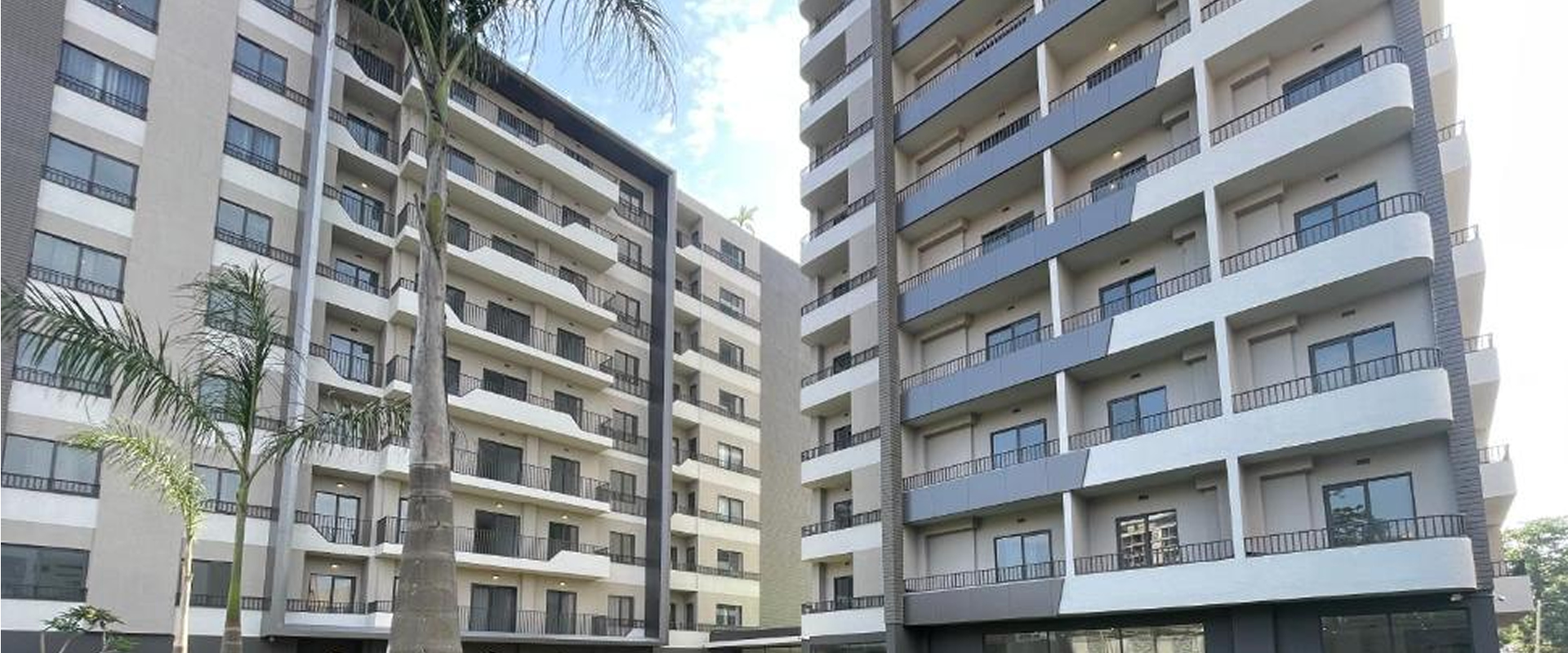
Residential rental management services for houses and apartments vary by provider. A landlord looking for house rental managers for landlords will want to know how a single tenancy is administered. An owner of a block of flats may be looking for apartment rental management professionals who can keep unit-level records consistent across several tenancies. In both cases the underlying work is residential tenant and rent management: maintaining records, tracking payments, documenting tenancy information and communicating clearly. The categories below describe the residential rental property administration activities most commonly associated with the role.
Residential rental administration begins with a reliable record of each property and unit. This can include property identification, unit numbers or descriptions, address details, occupancy status and configuration. For a landlord with a single house, the record may be simple. For a multi‑unit apartment building or a small residential block, the record needs to distinguish between units and track occupancy changes accurately. Without this foundation, payment records and tenant files become difficult to interpret.
Tenant administration involves maintaining accurate tenant information and occupancy records. This typically includes tenant contact details, tenancy start and end dates, occupancy changes and the documents that support the tenancy. In Uganda, the Landlord and Tenant Act, 2022 requires that a tenancy agreement of a certain value be in writing and that the tenant receive a copy of the agreement[reference:0]. A residential rental manager can organise those documents and maintain the tenancy file; legal advice should come from a qualified professional.
Rental payment administration is the process of maintaining records of expected rent, documenting payments received, reviewing payment information and identifying discrepancies. Reconciliation compares what should have been paid with what has been recorded, so that missing or partial payments can be identified. This is distinct from physically collecting rent: recording and reconciling payments is an administrative function, while receiving money is an operational one. Some providers do both, but the agreement should state exactly what is included.
Arrears monitoring uses the payment records to identify outstanding rental balances. The manager can document those balances, keep them visible and support appropriate communication with tenants about payment. This does not mean the manager guarantees recovery or provides debt enforcement; it means the records are maintained so that the landlord can see what is outstanding and decide how to proceed.
Tenancy agreements, notices, letters, instructions and routine messages all form part of the property record. Residential rental managers organise those documents, keep track of what was sent or received and ensure that the relevant file is complete. For landlords with several units, consistent documentation makes it easier to answer questions and to prepare for reviews with accountants, lawyers or other advisers.
Maintenance administration starts with receiving and recording a report: what the issue is, which unit or property it affects, when it was reported and what action has been taken. A residential rental manager may document the concern, coordinate communication with an appropriate service provider where the landlord has authorised it, and keep a record of progress. Physical repairs and emergency response are separate services unless the agreement explicitly includes them.
A core part of the role is keeping the landlord informed. This can include periodic updates, administrative summaries, payment information, outstanding matters and maintenance status. Reporting frequency and format vary between providers, so they should be agreed in advance rather than assumed.
| Service category | What it covers | What it does not automatically include |
|---|---|---|
| Property and unit records | Property details, unit information, occupancy status, authorised records | Title verification or legal ownership advice |
| Tenant administration | Tenant files, contact details, tenancy dates, occupancy updates | Tenant screening decisions or dispute resolution |
| Rental payment administration | Expected rent, payments received, references, balances, summaries | Physically collecting or receiving rent unless agreed |
| Arrears monitoring | Identifying outstanding balances, documenting follow-up | Debt enforcement or guaranteed recovery |
| Maintenance coordination | Logging issues, tracking progress, coordinating communication | Carrying out repairs or supplying contractors |
Just To Let is a property management and rental administration provider based at Najera One, Bulabira Road, Najjera. The company works with landlords and property owners on the administration of residential rental properties. The activities below are the established responsibilities that Just To Let can discuss with landlords; the specific scope for any property is confirmed directly.
Rental payment administration. Just To Let can maintain records of expected rental payments, document payments received and review payment information so that landlords can understand the status of their residential rental income. This is an administrative record-keeping function, not a guarantee of collection.
Payment reconciliation. Expected rental payments can be compared with the payment information received, discrepancies can be identified and rental records can be kept accurate. Reconciliation helps to surface missing or partial payments before they become larger arrears problems.
Arrears monitoring. Outstanding rental balances can be identified from the payment records, documented and followed up through appropriate tenant communication. The purpose is to keep the landlord informed and to maintain a clear record of what remains outstanding.
Tenant administration. Tenant-related records can be maintained, relevant property communication can be handled and rental information can be kept organised. This supports a consistent administrative process across single units and multi-unit properties.
Tenancy and residential property records. Relevant information about residential properties, rental units, tenants, rental arrangements and tenancy documentation can be maintained and organised. Good records make it easier to answer questions and to support the landlord’s oversight.
Maintenance request coordination. Reported property concerns can be documented and communicated, and coordination with appropriate service providers can take place where authorised by the landlord. Just To Let does not claim to provide guaranteed repairs, emergency response or building maintenance contracts unless these are separately agreed.
Landlord communication. Organised rental records, payment information, tenant communication and relevant property updates help landlords maintain oversight of their residential rental properties. If you would like to discuss which of these responsibilities fits your property, you can contact Just To Let.
Residential rental managers in Kampala work across a range of property types, and the administrative requirements differ accordingly.
This page does not list properties for rent and does not imply that Just To Let sells houses or sources tenants. The focus is on the administrative management of residential rental arrangements.
Landlords searching for residential rental managers in Uganda Kampala will encounter several types of provider. Some are general property management companies, some are residential letting agencies, and some are specialist administrators. The labels are not standardised, so the written scope matters more than the title.
Landlords researching property management in Uganda may use several different terms. Some search for a rental agency in Kampala; others for real estate management companies in Uganda, estate managers in Uganda, or rent collection companies in Uganda. The wording varies, but the underlying question is the same: who will take responsibility for administering the residential rental arrangement, and what exactly will they do? A rental agency in Kampala may concentrate on letting and tenant placement. A property management company may offer a broader operational mandate. Rent collection companies in Uganda focus on the payment side. Estate managers may be responsible for larger residential estates. A landlord running a small rental business in Uganda with one or two units may need only part of that scope, while a landlord with several blocks may need a combination.
A residential rental manager usually focuses on the tenancy and rental administration side: payment records, tenant files, arrears monitoring and rental communication. A property management company may have a broader operational mandate that can include maintenance coordination, staff supervision and financial reporting. A rental agent typically focuses on finding a tenant or letting a vacant unit, which is a transactional role rather than an ongoing administrative one. A property administrator is usually records-focused and may not be involved in operational decisions.
The providers below are included as research candidates for comparison. Inclusion is not an endorsement, ranking or claim about service quality. Landlords should verify current services, fees and scope directly with each provider.
| Provider | Publicly described focus | Residential relevance | Official link |
|---|---|---|---|
| Just To Let | Property management and rental administration for landlords, including payment administration, reconciliation, arrears monitoring, tenant records and maintenance coordination where authorised. | Residential rental administration focus. | justtolet.co.ug |
| Wilken Property Services | Property management for commercial and residential property, including rent collection, tenant screening, tenancy contracts, inspections and maintenance oversight. | Manages residential property and has a Kampala presence. | wilkenproperties.com |
| Knight Frank Uganda | Residential and commercial property consultancy, property management, facilities management, rent management and accounting, tenant liaison. | Manages residential estates and luxury properties in and around Kampala. | knightfrank.ug |
| Broll Uganda | Property management, facilities management, tenant coordination, rent recoveries and financial accounting for commercial and residential portfolios. | Commercial-heavy portfolio, with some residential management capability. | broll.ug |
| Spectrum Real Estate Solutions | Residential and commercial property management, rental agreements, rent collection, move‑in/move‑out processing and maintenance coordination. | Residential property management focus in Kampala. | spectrumproperties.co.ug |
The descriptions above summarise the residential focus that each provider publicly describes, including the services offered by Wilken Property Services Ltd Kampala and the wider scope described by Broll Uganda. These descriptions should be verified directly with each provider before any appointment, because published service lists change and the written scope of an engagement is what actually governs the relationship.
When comparing residential rental managers, examine the following areas rather than relying on the company label.
Just To Let is positioned as a rental administration and property management provider for landlords. Its established activities are described in the section above. No ranking or “best company” claim is made here because such claims require evidence that is not presented on this page.
Residential rental management fees in Kampala are usually structured in one of four ways, or a combination of them:
Fees can vary according to the property type, the number of residential units, the rental value, the scope of responsibilities, the level of tenant administration required, the payment administration workload, the maintenance coordination arrangements and whether additional services are included. These are general market considerations, not a statement of Just To Let’s charges. Just To Let does not publish unverified fee figures; the applicable fee should be confirmed directly for the specific property.
For general tax context, landlords should be aware that the Uganda Revenue Authority’s rental income tax guidance explains how rental income is defined and how individuals are taxed[reference:1]. Just To Let does not provide tax or accounting advice. For broader housing and land policy context, the Ministry of Lands, Housing and Urban Development is the responsible government ministry[reference:2].
Landlords sometimes ask whether property management software can replace a residential rental manager. The short answer is no. Software can store records, track payments and generate reports, but it does not decide what to record, follow up on discrepancies, communicate with tenants or coordinate maintenance. Those tasks require administrative discipline and human oversight.
Software may be useful for tenant records, property and unit records, rental payment records, payment reconciliation, arrears tracking, maintenance request records, financial summaries and landlord reporting. However, using software is not the same as engaging a provider. A software tool is a record-keeping aid; a residential rental manager provides an accountable service that uses records to support the landlord.
Landlords comparing property management software in Uganda should keep the distinction clear: software records what it is told to record, while a residential rental manager is accountable for whether the records are complete, reconciled and acted upon.
Just To Let does not claim to use proprietary software, a tenant portal, automated rent collection or real‑time dashboards. The focus of this page is the service relationship, not a software review.
Use the following framework to compare providers on substance rather than marketing language.
For a broader evaluation of provider types, see the property management company in Uganda Kampala page. For the wider residential rental management process, see residential rental management.
Landlords often search for residential rental managers near me when they want someone who can work with a property in their area. A search engine cannot know your precise location, and a provider’s office address does not by itself confirm that it can handle a property in a particular neighbourhood. The practical approach is to contact the provider, describe the property location and type, and ask directly whether that location falls within the area it can serve.
Just To Let is based at Najera One, Bulabira Road, Najjera, and works with landlords on residential rental administration. Whether a specific property location can be covered should be confirmed in the initial conversation rather than assumed from the office address. The same applies to any of the property managers in Kampala or property managers in Uganda that you shortlist: ask the question directly and get the answer in writing.
The process below is a practical model. It describes how residential rental administration is typically set up and run, not a guaranteed process offered by every provider or every service described on this page.
Landlords delegate residential rental administration for practical reasons, not because they expect guarantees that no provider can give.
These benefits relate to the actual administrative responsibilities described on this page. They are not promises of higher rent, guaranteed occupancy or the elimination of all arrears.
Direct answers to common questions from landlords considering residential rental administration in Kampala and Uganda.
Depending on your property and requirements, these pages may be relevant:
The following official sources provide context for the legal, tax and land-administration matters mentioned on this page. Just To Let does not provide legal, tax or accounting advice; landlords should consult qualified professionals for their specific circumstances.
If you own a house, apartment, room or multi‑unit residential property in Kampala or Uganda and want a clearer administrative structure for rental payments, tenant records, arrears monitoring and maintenance coordination, contact Just To Let to confirm the available scope for your property. Explain your property type, location, number of units and the responsibilities you need assistance with.
Email: info@justtolet.co.ug · Najera One, Bulabira Road, Najjera, Uganda