
Residential Property Management · Kampala, Uganda
Residential Property Managers in Uganda, Kampala: Professional Management for Houses and Apartments
Residential property managers in Uganda, Kampala help landlords administer rental houses, apartments, apartment blocks and residential units. This guide explains what residential property managers actually do, how tenant and rent administration works, how inspections and maintenance coordination are handled, and what landlords should confirm before appointing a professional manager.
No obligation · All three services are completely free
- Residential Management
- Tenant Administration
- Rent Collection
- Landlord Reporting
Quick answer: Residential property managers in Uganda, Kampala are professionals who help landlords administer rental houses, apartments, apartment blocks and residential units. Their work commonly includes tenant management, rent collection monitoring, rental payment records, property inspections, maintenance coordination, tenancy documentation, landlord communication and periodic reporting. They are not the same as real estate sales agents, and the exact scope should always be confirmed in writing.
This page explains what residential property managers do, how residential rental property management works, and what landlords should evaluate before appointing a manager for houses, apartments or a residential rental portfolio in Uganda.
What Are Residential Property Managers?
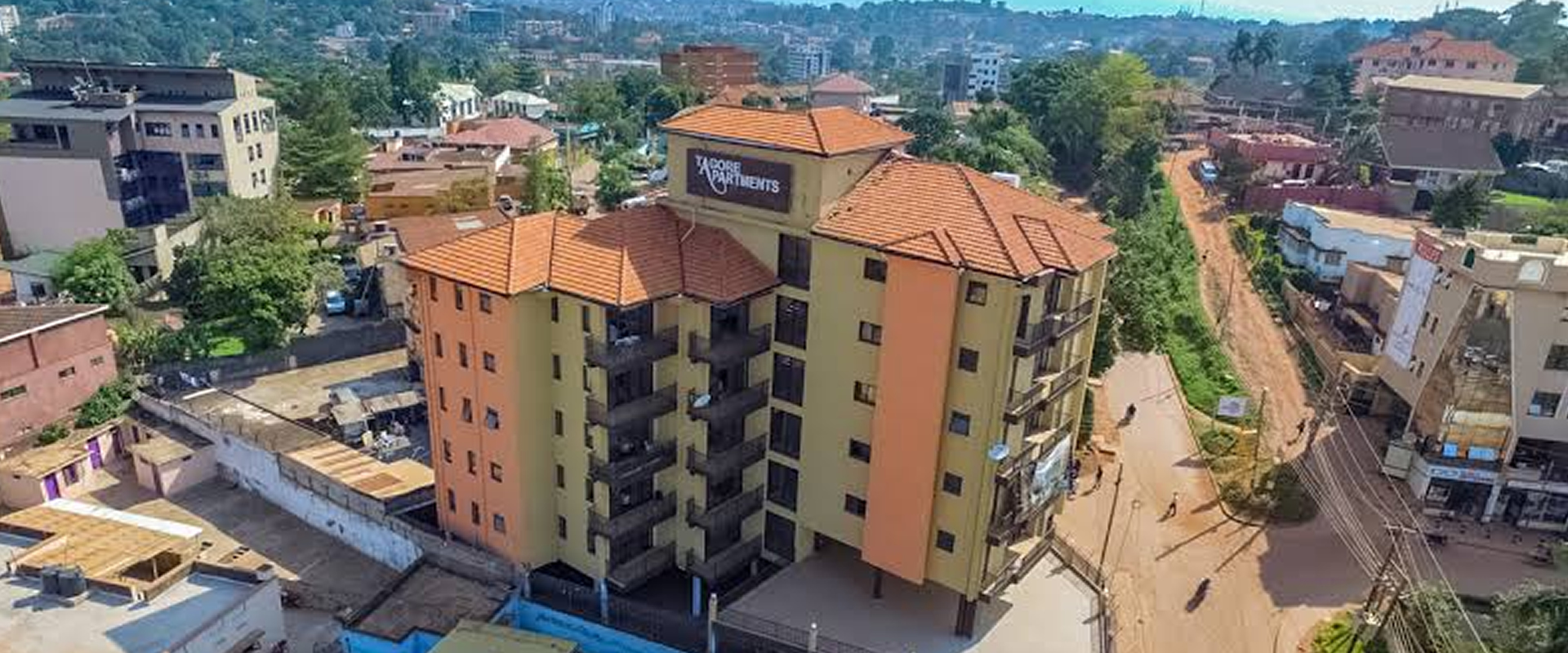
Residential property managers are professionals who oversee the day-to-day administration of residential rental property on behalf of landlords. Their focus is housing rather than commercial property: standalone rental houses, family homes, individual apartments, apartment blocks, multi-unit residential buildings and some residential estates. The role exists because residential rentals generate a steady flow of administrative tasks that must be handled consistently.
A residential property manager may handle tenant enquiries and records, tenancy documentation, rent payment monitoring, arrears follow-up, property inspections, maintenance coordination, landlord communication and financial summaries. In Kampala and other parts of Uganda, landlords often own units in different locations, which makes organised records and reliable reporting especially important. Good residential property management brings structure to those tasks without removing the landlord's ownership responsibilities.
Residential property management is different from general real estate agency work. A letting agent or sales agent usually focuses on a transaction, such as finding a tenant or selling a property. A residential property manager provides ongoing administration and oversight after the tenancy begins. The role may overlap with general property management services in Uganda, but the emphasis here is specifically on residential rentals for landlords.
What Do Residential Property Managers Do?
Residential property management services in Kampala and across Uganda can vary between providers. The categories below describe the responsibilities landlords should understand and evaluate. Confirm which tasks are included, which are optional and which remain with the landlord.
1. Tenant Management and Administration
Tenant management is central to residential property management. It includes handling tenant enquiries, maintaining tenant records, organising tenancy documents, recording occupancy changes, communicating with tenants, following up on complaints and administering renewals or move-outs. Where tenant screening is offered, it should be clearly described. Tenant administration is not the same as legal advice or dispute resolution, which may require a qualified professional.
2. Rent Collection and Rental Income Administration
Residential property managers often handle rent collection, payment monitoring, arrears follow-up, payment reconciliation, rental income records and landlord statements. Some landlords compare rent collection companies in Uganda with full residential property managers. Collection-only services are narrower; full management usually adds tenant administration, inspections, maintenance coordination and reporting. The agreement should state whether the manager collects rent, records it, or both.
3. Property Inspections
Routine inspections help landlords monitor the condition of a house or apartment. Residential property managers may conduct inspections, record observations, identify damage or maintenance needs, document findings and track follow-up actions. Inspection frequency and scope should be agreed in advance. An inspection record is useful, but it does not replace a landlord's own legal or ownership responsibilities.
4. Maintenance and Repairs Coordination
Maintenance coordination involves receiving repair reports, recording the issue, assessing urgency, communicating with the landlord where approval is needed, coordinating service providers where applicable and keeping maintenance records. Physical repairs may be a separate service. A residential property manager should not be assumed to employ technicians or guarantee repair completion unless this is confirmed in the agreement.
5. Residential Property Administration
Administration supports the entire management process. It includes property and unit records, tenant information, tenancy documentation, rental income records, administrative communication, landlord reporting and general property oversight. Reliable administration makes it easier to answer questions about occupancy, payments, maintenance history and outstanding matters.
6. Landlord Communication and Reporting
Landlords need clear information about their residential rental properties. Reporting may include rent payment summaries, outstanding balances, maintenance updates, inspection notes and other property matters. The format and frequency should be agreed rather than assumed. Good communication helps landlords make informed decisions without needing to reconstruct events from scattered messages.
| Service category | What it commonly covers | What to confirm |
|---|---|---|
| Tenant management | Tenant records, communication, tenancy documents, renewals and move-outs | Whether screening, enforcement or dispute handling is included |
| Rent collection | Rent monitoring, payment records, arrears follow-up and statements | Whether rent is physically collected or only recorded |
| Inspections | Condition checks, damage notes, maintenance observations and records | Frequency, notice and reporting format |
| Maintenance coordination | Repair reports, tracking, communication and repair histories | Who approves work and whether repairs are included |
| Landlord reporting | Payment summaries, outstanding matters, maintenance and property updates | Report content, frequency and access to records |
How Residential Property Management Works
The workflow below is a general model for residential rental property management. It shows how a professional manager typically sets up and runs the service, but the exact process depends on the provider, the property and the agreed scope.
- Onboarding and property review. The manager collects property details, unit information, tenancy records and the landlord's instructions.
- Records and documentation. Property, tenant and payment records are organised into a consistent structure.
- Tenant administration. Tenant communication, tenancy documents, occupancy changes and routine matters are handled according to the agreement.
- Rent monitoring and collection. Expected rent, payments received, balances and arrears are tracked and reported.
- Inspections and condition monitoring. Where included, inspections are carried out and findings are documented.
- Maintenance coordination. Repair requests are logged, communicated, tracked and recorded.
- Landlord reporting. The landlord receives periodic updates and financial or property summaries.
- Ongoing review. Records and procedures are reviewed so the management arrangement remains accurate and useful.
Residential Property Managers vs Real Estate Agents
The terms are sometimes used interchangeably, but they describe different services. A real estate agent usually focuses on a transaction: letting a property, finding a buyer or completing a sale. A residential property manager focuses on the ongoing administration and oversight of rental property after the tenant is in place. That includes tenant records, rent monitoring, inspections, maintenance coordination and reporting.
Letting agents, estate managers in Uganda and property managers in Kampala may offer overlapping services, so landlords should compare the actual scope rather than the job title. A maintenance provider handles repairs; a property manager coordinates the process but may not carry out the physical work. A general property manager may cover commercial property, while a residential property manager specialises in houses, apartments and residential rental units.
| Role | Main focus | Typical duration |
|---|---|---|
| Residential property manager | Ongoing management of rental houses and apartments | Continuous management arrangement |
| Real estate agent | Letting or sales transactions | Transaction-based |
| Letting agent | Finding tenants and arranging tenancies | Usually ends after letting |
| Maintenance provider | Physical repairs and technical work | Job-specific |
Benefits of Hiring Residential Property Managers
Residential rental property managers for landlords do not promise guaranteed income, zero vacancies or perfect tenants. Their value is practical: better organisation, clearer records and more consistent oversight. Benefits commonly include:
- Reduced administrative workload: Tenant records, payment tracking and routine communication are handled through a defined process.
- More organised tenant administration: Tenancy documents, occupancy changes and tenant matters are recorded and easier to review.
- Improved rent monitoring: Expected rent, payments, balances and arrears can be tracked more consistently.
- Better financial records: Statements and payment records help landlords understand rental income and outstanding matters.
- Structured maintenance coordination: Repair requests and follow-up actions are less likely to be lost between conversations.
- Consistent property oversight: Inspections and records can provide a clearer picture of property condition over time.
- Support for multiple units: Standard records and reporting make it easier to oversee several residential rentals.
- More organised communication: Landlords know who to contact and what information to expect.
Residential Property Management for Houses, Apartments and Portfolios
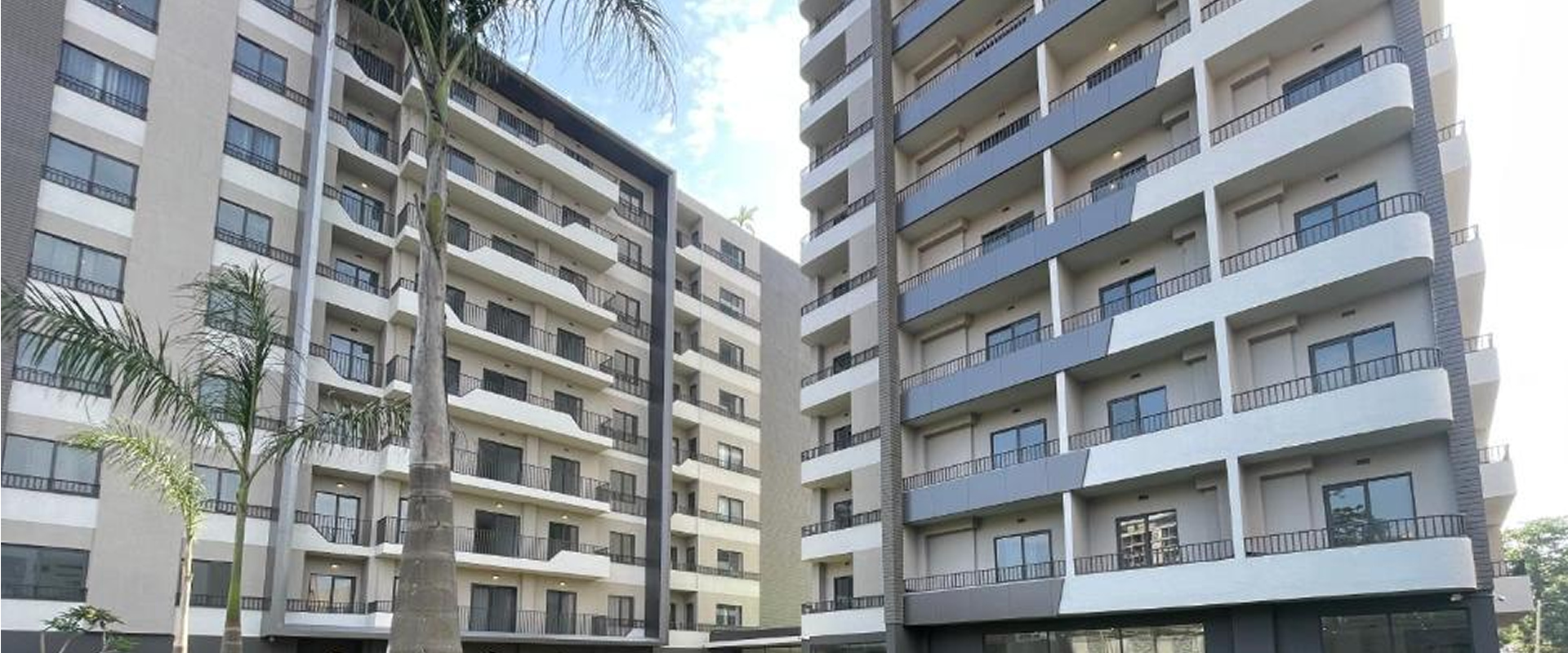
House property managers in Uganda may oversee standalone rental houses, family homes and multi-bedroom rental units. Apartment property management professionals may manage individual apartments, apartment blocks, multi-unit residential buildings and apartment developments. Residential estate management can involve multiple rental houses within a residential development, residential compounds or managed communities where applicable.
The management arrangement should reflect the property type, number of units, tenant profile, location and level of oversight required. A landlord with one apartment may need a simpler arrangement than an owner with several houses or an apartment block. One property manager can oversee multiple residential rental properties, but the reporting structure, responsibilities and fees should be clearly defined.
How to Choose Residential Property Managers in Kampala
When comparing residential property managers in Kampala, look beyond the service description. Ask how the work is actually done, who is responsible and how information will be reported. The following framework helps landlords evaluate providers on substance.
- Relevant residential experience. Ask whether the provider manages houses and apartments similar to yours, not only commercial property.
- Local rental market understanding. Confirm familiarity with tenant expectations, property locations and practical management issues in Kampala or your area.
- Scope of services. Request a written list of included and excluded tasks, especially tenant screening, rent collection, inspections and maintenance coordination.
- Tenant administration procedures. Ask how tenant files, tenancy documents, complaints, renewals and move-outs are handled.
- Rent collection arrangements. Clarify whether the manager collects rent, monitors payments, follows up arrears or only records transactions.
- Payment reconciliation and reporting. Request sample statements and confirm how payments, balances and expenses are documented.
- Property inspections. Ask how often inspections take place, what is recorded and how findings are shared.
- Maintenance coordination. Confirm how repair requests are logged, who approves work and how service providers are coordinated.
- Communication and responsiveness. Establish contact channels, response expectations and escalation procedures.
- Management fees and additional charges. Understand what the base fee covers and what is billed separately.
- Contractual responsibilities. Review the written agreement carefully, including termination terms and access to records.
- Accountability and reporting. Confirm who is accountable, what reports are provided and how often.
Useful questions to ask before appointing a residential property manager include: How do you handle rent arrears? What happens when a tenant reports a repair? How often will I receive reports? Who holds the tenant records? What is included in the fee? What is not included? These questions reveal more than a general promise of professional service.
Residential Property Management Challenges in Uganda
Residential rental administration in Uganda can become difficult when records are incomplete, rent payments are not reconciled consistently, maintenance requests are not tracked, or communication is unclear. These problems tend to grow as the number of units increases. A landlord may manage one apartment from memory, but several houses or an apartment block require a reliable system.
Practical ways to reduce these risks include agreeing a written scope, keeping tenant and payment records in a consistent format, recording updates as they happen, reviewing reports periodically and clarifying who is responsible for each category of information. Where tenancy documents are involved, landlords should understand the legal framework. The Landlord and Tenant Act, 2022 sets out requirements for tenancy agreements, including that certain agreements be in writing and that the tenant receive a copy. A property manager may organise those documents, but legal advice should come from a qualified professional.
Rental income record-keeping also supports tax compliance. The Uganda Revenue Authority's rental income tax guidance explains the general framework for landlords. Where property records involve land or title information, owners should use official sources. The Ministry of Lands, Housing and Urban Development provides land registration and search services, and the Uganda National Land Information System (UgNLIS) portal allows users to access information on titles and parcels and track land transactions. A property manager can organise copies of records, but this does not replace an official search or legal verification.
Residential Property Management Services from Just To Let Uganda
Just To Let Uganda works with landlords and property owners on property management, rental management, rent collection and property administration. The company is based at Najera One, Bulabira Road, and can be reached on +256 759 653380 or info@justtolet.co.ug. For landlords looking for residential property management services in Kampala, the first step is to define the property type, the number of units and the level of administration required.
Just To Let can discuss tenant administration, rent collection monitoring, payment reconciliation, property records, maintenance coordination, landlord communication and reporting for residential rental properties. Not every task described in this guide is automatically included in every engagement. The available scope should be confirmed directly before appointing a manager.
To discuss your residential rental property requirements, request a quote or review related services such as residential rental management, rent collection services and landlord management services.
Frequently Asked Questions About Residential Property Managers
Direct answers to common questions about residential property management in Uganda and Kampala.
Related Residential Property Management Pages
Depending on your property and requirements, these pages may be relevant:
Discuss Your Residential Property Management Requirements
If you own rental houses, apartments or a residential rental portfolio in Uganda and want professional support with tenant administration, rent monitoring, inspections, maintenance coordination and reporting, contact Just To Let to confirm the available scope for your property.
Email: info@justtolet.co.ug · Najera One, Bulabira Road