
Property Management Specialists · Kampala, Uganda
Property Management Specialists in Uganda Kampala: What Specialisation Means for Landlords
A property management specialist applies focused, repeatable expertise to the administration and operation of rental property. This guide explains what specialist property management involves in Kampala and Uganda, how it differs from general property management, and what landlords should verify before appointing a specialist.
No obligation · All three services are completely free
- Specialist Expertise
- Residential Rentals
- Rent Collection
- Landlord Reporting
Quick answer: Property management specialists in Uganda and Kampala are professionals who focus specifically on the administration and operation of rental property. Their work typically covers tenant administration, rent collection and payment records, property inspections, maintenance coordination, landlord reporting and awareness of tenancy and tax obligations. Specialisation means applying consistent, focused processes to rental property — not treating property management as a secondary activity alongside sales or general agency work.
This page explains what specialist property management actually involves, how it differs from general property management, and what landlords in Kampala should verify before appointing a specialist. It focuses on the nature of specialist expertise rather than on a single company.

What Makes Property Management a Specialist Role?
Property management looks straightforward from the outside: find a tenant, collect the rent, fix what breaks. In practice, rental property ownership generates a steady stream of administrative decisions — tenant files, payment records, inspection findings, maintenance requests, correspondence, arrears follow-up, tenancy changes and periodic reporting. A property management specialist is someone who has built repeatable processes around that work, rather than handling it ad hoc.
Specialisation is not the same as having a job title. It shows up in observable practices: whether tenant files are structured consistently, whether rent payments are reconciled against expected amounts, whether inspections produce written records, whether maintenance requests have a defined escalation path, and whether landlords receive reports in a predictable format. A specialist can demonstrate these routines; a generalist often cannot.
The distinction matters because rental property problems compound. An undocumented tenancy change, an unreconciled payment or a forgotten maintenance follow-up becomes harder to resolve the longer it sits. Specialists reduce that risk by applying consistent administration to routine events before they become disputes.
Core Areas of Specialist Property Management Expertise
Specialist property managers in Uganda typically concentrate on the areas below. A provider may cover all, some or none of them, so confirm the exact scope before engaging anyone. The descriptions explain what the specialist work involves — not a guarantee that every provider offers every activity.
Tenant Administration and Onboarding
Tenant administration is the foundation of specialist property management. It covers tenant screening, tenancy documentation, contact records, occupancy tracking and the day-to-day correspondence that keeps a tenancy running. In Uganda, the Landlord and Tenant Act, 2022 sets out requirements for tenancy agreements, including that certain agreements be in writing and that tenants receive a copy. A specialist organises those documents; legal advice should come from a qualified lawyer.
Rent Collection and Payment Records
Specialist rent collection is more than receiving money. It involves agreeing payment channels, tracking rent due against rent received, issuing receipts or transaction references, monitoring arrears and producing reconciled statements. The Uganda Revenue Authority's rental income tax guidance explains the general framework for landlords, and clean payment records support tax compliance. Some specialists collect rent directly; others administer records for payments made through other channels.
Property Inspections and Condition Records
Routine inspections help specialists identify maintenance needs, document property condition and track changes over time. The specialist output is a written record — observations, photographs where appropriate, maintenance recommendations and follow-up actions. Whether inspections are included depends on the agreed scope; specialist administration does not automatically imply a physical inspection service.
Maintenance Coordination and Follow-Up
Maintenance coordination means receiving a report, recording the issue, tracking progress, keeping a repair history and communicating between landlord, tenant and contractor. A specialist does not necessarily carry out repairs — that is a separate service — but does maintain the administrative record that makes repairs accountable and traceable.
Landlord Communication and Reporting
Specialists keep landlords informed through periodic statements, payment summaries, outstanding matters and maintenance status updates. Reporting format and frequency vary between providers, so they should be agreed in writing rather than assumed.
Documentation and Correspondence Management
Tenancy agreements, notices, instructions and routine messages all form part of the property record. A specialist maintains an organised filing structure so documents can be retrieved when needed — for a routine review, a tax question, a dispute or a portfolio decision.
| Specialist area | What it covers | What it does not automatically include |
|---|---|---|
| Tenant administration | Tenant files, screening coordination, tenancy documentation, occupancy changes | Legal advice or dispute resolution |
| Rent collection & records | Payment channels, reconciliation, receipts, arrears monitoring, statements | Debt collection litigation or tax filing |
| Property inspections | Condition records, maintenance recommendations, follow-up tracking | Structural surveys or valuation reports |
| Maintenance coordination | Logging issues, tracking progress, repair histories, contractor liaison | Carrying out repairs or supplying contractors |
| Landlord reporting | Periodic statements, outstanding matters, payment and maintenance summaries | A guaranteed reporting frequency unless specified |
Property Management Specialists vs General Property Managers
The two roles overlap, but the emphasis differs. A general property manager often handles sales, lettings and management together. A specialist concentrates on the ongoing operation of rental property — the routines, records and compliance considerations that rental ownership generates.
The practical difference shows up in three areas: process depth, record quality and accountability. A specialist is more likely to have documented workflows for tenant onboarding, payment reconciliation, inspections and reporting. That matters when a landlord needs to answer a question months later — about a payment, a repair or a tenancy change.
| Area | Specialist property manager | General property manager |
|---|---|---|
| Primary focus | Ongoing rental operation and administration | Mixed sales, lettings and management activity |
| Process depth | Documented workflows for tenant files, rent records and inspections | Processes vary; may be less standardised |
| Record quality | Consistent filing, reconciliation and reporting | Dependent on individual staff practice |
| Accountability | Defined reporting and escalation routines | May be less formalised |
For a broader view of property management as a service category, see property management services in Uganda. For professional manager profiles, see professional property managers.
Residential Property Management Specialisation
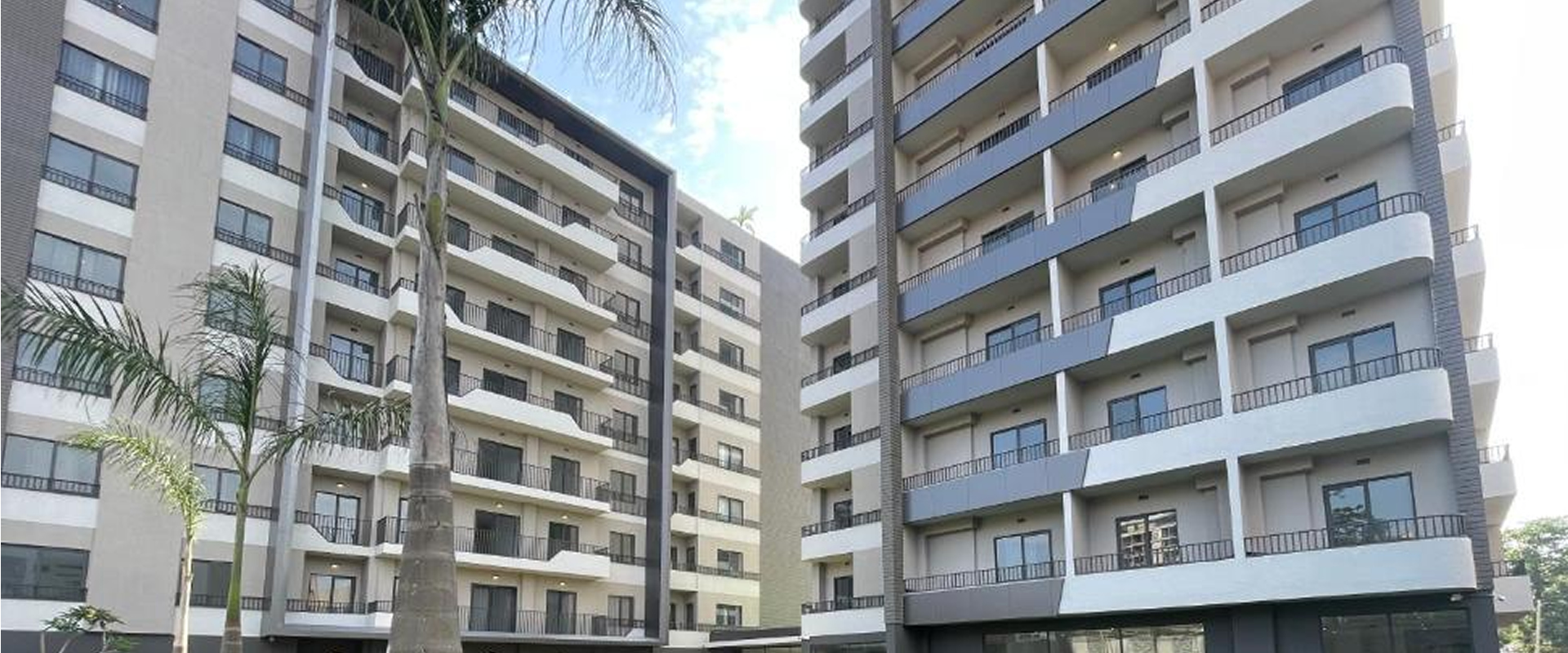
Most specialist property management in Kampala and Uganda focuses on residential rentals. Residential property has its own rhythm: shorter tenancy cycles, more frequent tenant communication, higher inspection frequency and more maintenance requests per unit than many commercial properties. A residential specialist builds routines around that rhythm.
Specialist residential property management typically covers:
- Rental houses: Standalone homes where the specialist manages tenant relationships, maintenance coordination and rent records.
- Apartments and apartment blocks: Multi-unit properties where tenant administration, shared-service coordination and payment reconciliation need consistent routines.
- Residential estates: Properties within managed estates where the specialist coordinates with estate management on shared services and access.
- Multi-unit rental properties: Portfolios where a single administration process across units is essential for meaningful reporting.
Specialist residential management for landlords is covered in more depth on the residential property managers page. The rental administration services page explains how tenancy-specific administration is structured.
Why Landlords in Kampala Use Property Management Specialists
Landlords appoint specialists for practical reasons, not slogans. The most common reasons are:
- Consistent administration: Tenant files, payment records and inspection logs follow a repeatable structure rather than depending on memory or scattered messages.
- Documented rent collection: Rent due and rent received are reconciled, arrears are monitored, and statements are produced — which supports tax compliance and dispute handling.
- Clearer oversight: The landlord receives periodic reporting on the property's financial and operational position without needing to reconstruct events.
- Reduced day-to-day burden: Tenant enquiries, maintenance reports and routine correspondence are handled within an agreed process.
- Better preparation for decisions: Clean records support conversations with accountants, lawyers and other professionals when specialist input is needed.
- Portfolio scalability: Standard records and reports make it easier to oversee several units across different locations.
Specialists do not promise higher rent or the elimination of disputes. The value they offer is organised information, documented accountability and a dependable administrative process — which in turn reduces the friction that causes disputes and missed payments.
How a Specialist Property Management Engagement Typically Works
The workflow below is a general model. It describes how specialist property management is typically structured, not a guaranteed process offered by every provider.
- Initial property review. The specialist reviews the property, existing tenancies, documentation and the landlord's objectives.
- Scope agreement. The exact responsibilities — tenant administration, rent collection, inspections, maintenance coordination, reporting — are agreed in writing.
- Record setup. Property and unit records, tenant files and payment ledgers are structured consistently.
- Process launch. Payment channels, communication standards and escalation procedures are confirmed and activated.
- Ongoing administration. Rent, tenancy changes, maintenance reports and correspondence are recorded as they occur.
- Periodic inspections. Where included, inspections produce written condition records and maintenance recommendations.
- Reporting and review. Periodic statements summarise payments, balances, expenses and outstanding matters, with a review opportunity for the landlord.
How to Evaluate Property Management Specialists in Uganda
Use the following framework to compare specialist providers on substance rather than marketing language. Each item can be checked before signing an agreement.
- Relevant experience with comparable property types. Ask how many residential units and which property types the specialist currently manages. Experience with apartment blocks differs from experience with standalone houses.
- Written scope with inclusions and exclusions. Confirm what is included and what is billed separately — particularly rent collection, maintenance coordination, inspections and reporting.
- Documented record-keeping practices. Ask to see a sample tenant file structure, a payment statement and an inspection record. Real examples reveal more than descriptions.
- Transparent financial reporting. Clarify the format, content and frequency of statements, and how arrears and expenses are reported.
- Defined communication standards. Confirm who handles tenant enquiries, how the landlord is contacted for decisions, and how urgent maintenance is escalated.
- Named responsibility and backup. Ask who is accountable for the property and what happens when the primary contact is unavailable.
- Management fees and additional charges. Understand the fee structure — percentage of rent, fixed fee, or a combination — and which costs are passed through to the landlord.
- Written agreement and termination terms. The agreement should reflect the scope, fees, responsibilities, notice period and document retention terms.
- Access to records and data portability. Confirm how the landlord can access records during and after the engagement.
- Escalation and dispute procedure. Know who to contact when something goes wrong and how quickly a response is expected.
For a broader comparison framework, see the property management consultants page. For specialist administrative support specifically, see property administration services.
Specialist Property Management for Multiple Properties
Owners with more than one rental unit face a scaling problem: the administrative tasks multiply, but the time available does not. A specialist approach addresses this by applying the same record structure, filing conventions and reporting format across the portfolio. That makes it possible to compare units, spot repeated maintenance issues and review payment patterns without starting from scratch each time.
Specialisation also helps with portfolio visibility. When all units report through the same format, the landlord can see the overall financial position — rent due, rent received, arrears, expenses and net position — rather than assembling a picture from inconsistent statements. For portfolio-level management, see rental portfolio management.
Regulatory and Professional Context in Uganda
Property management in Uganda is not currently governed by a single dedicated licensing regime in the way some other professions are. Landlords should therefore verify experience, written scope and financial reporting practices directly rather than assuming a regulator has vetted the provider.
Two areas of law are relevant to specialist property management. Tenancy matters fall under the Landlord and Tenant Act, 2022, which sets out requirements for tenancy agreements and related matters. Tax matters fall under the Uganda Revenue Authority's rental income tax guidance, which explains the general framework for landlords. Specialists organise records that support compliance with both; they do not replace legal or tax advice.
Where records involve land or title information, landlords should use official sources. The Ministry of Lands, Housing and Urban Development provides land registration and search services, and the Uganda National Land Information System (UgNLIS) portal allows users to access information on titles and parcels. Administration can organise copies of those records, but it does not replace an official search or legal verification.
Property Management Specialists at Just To Let Uganda
Just To Let Uganda works with landlords and property owners on property management, residential rental management, rent collection and property administration. The company is based at Najera One, Bulabira Road, and can be reached on +256 759 653380 or info@justtolet.co.ug.
If you are considering specialist support, the first step is to define what you need: which records you want organised, how rent should be collected and documented, how maintenance issues should be tracked, and what reporting you expect. Just To Let can then confirm what is available within its actual service scope. Not every task described in this guide is automatically included in every engagement.
To discuss your property and management requirements, use the contact details above or request a quote. You can also review property management company, rent collection services and landlord administration services for related scope.
Frequently Asked Questions About Property Management Specialists
Direct answers to common questions about specialist property management in Uganda and Kampala.
Related Property Management and Specialist Pages
Depending on your property and requirements, these pages may be relevant:
- Property management company
- Property management services
- Property management agency
- Property management consultants
- Professional property managers
- Residential property managers
- Rent collection services
- Rental administration services
- Property administration services
- Landlord administration services
- Rental portfolio management
- Contact Just To Let
Discuss Your Property Management Requirements with a Specialist
If you own rental property in Uganda and want a clearer specialist structure for tenant administration, rent collection records, inspections and reporting, contact Just To Let to confirm the available scope for your property.
Email: info@justtolet.co.ug · Najera One, Bulabira Road