
Property Management · Kampala, Uganda
Just To Let provides professional property management services in Uganda, Kampala, for landlords and property owners who want residential and rental properties managed consistently. This guide explains what property management services include, how professional services for landlords work, and what to confirm before appointing a provider.
No obligation · All three services are completely free
Quick answer: Property management services in Uganda, Kampala involve a professional provider taking responsibility for the day-to-day operation of a rental property on behalf of the landlord. That typically covers tenant sourcing and screening, rent collection, maintenance coordination, inspections, tenancy documentation, financial reporting and support with landlord obligations. The exact scope varies between providers and must be agreed in writing.
This page explains what professional property management services for landlords actually include, how residential and rental property management works in practice, and what Kampala landlords should confirm before appointing a provider. It is written as a practical guide to the service itself rather than a single company's marketing page.
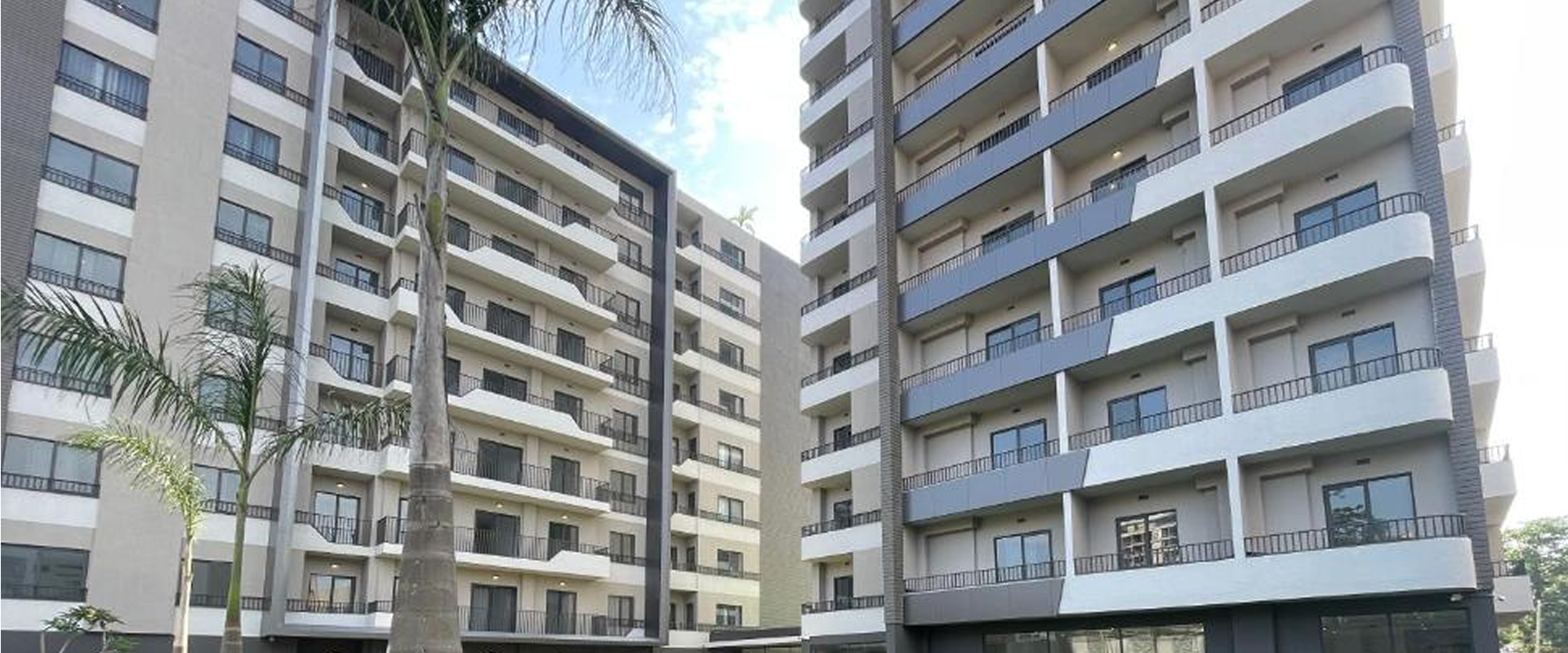
Property management services are the operational and administrative functions a professional provider performs on behalf of a property owner. Instead of the landlord handling tenants, rent, maintenance and records personally, a management service takes responsibility for these activities within an agreed scope. The purpose is to protect the property, support rental income and reduce the owner's day-to-day burden.
In Uganda, property management is not a single regulated profession with one standard scope. Providers differ in what they include, how they charge and which property types they handle. Some focus on residential property management services in Kampala; others concentrate on commercial, estate or portfolio management. The label "property management services" therefore needs to be checked against the written agreement, not assumed.
A well-run service provides structure: documented tenancies, consistent rent records, tracked maintenance, timely communication and periodic reporting. That structure is what landlords are really paying for. The value lies less in any single task and more in the reliability of the whole arrangement.

The categories below describe the services most commonly offered by professional property management providers serving landlords in Uganda. A provider may cover all, some or none of these areas, so confirm the scope before appointing anyone.
A core part of residential property management services in Kampala is finding suitable tenants and reducing the risk of avoidable tenancy problems. This typically involves marketing the unit, arranging viewings, collecting applications, verifying identity, checking references and confirming the tenant's ability to pay. Screening procedures differ between providers, and the criteria used should be explained to the landlord rather than assumed.
Professional property management services for landlords normally include preparing or reviewing tenancy documentation, recording key dates and handling renewals or notices. In Uganda, the Landlord and Tenant Act, 2022 sets out requirements for tenancy agreements, including that certain agreements be in writing and that the tenant receive a copy. A property manager may organise those documents but should not provide legal advice; specialist questions belong with a qualified lawyer.
Rent collection is one of the most important services offered by professional property management providers. In practice this covers receiving rent, recording payments, issuing or confirming receipts, monitoring outstanding balances, following up arrears and reporting income to the landlord. How rent is received (bank transfer, mobile money, cash) and how payments are documented should be agreed in advance. Rental income records also support tax compliance; the Uganda Revenue Authority's rental income tax guidance explains the general framework for landlords.
Property administration and maintenance services in Uganda depend on reliable records. A professional management service maintains property and unit information, tenant files, payment records, maintenance histories and correspondence. Clean records make it possible to answer questions from accountants, lawyers, tenants or prospective buyers without reconstructing events from memory. A separate property administration service focuses on this layer; management services usually include it within a broader scope.
Maintenance coordination means receiving and logging repair requests, instructing contractors, tracking progress, checking completed work and keeping a repair history. This is distinct from carrying out physical repairs, which may or may not be included. Landlords should confirm how urgent issues are escalated, how contractor costs are approved and how repairs are documented.
Routine inspections help detect maintenance problems early and confirm that the property is being used appropriately. A professional property management service may inspect units periodically, produce inspection notes and follow up on issues identified. Frequency, notice to tenants and the format of inspection records should be clear in the agreement.
A large part of day-to-day property management is communication. Tenants contact the manager about repairs, rent, notices, complaints and general questions. A professional service responds to those enquiries, records what was done and keeps the landlord informed of material issues. Clear escalation channels matter when a problem requires the owner's decision.
Reporting is the accountability layer of property management. Professional services typically provide periodic summaries covering rent received, outstanding balances, maintenance costs, property status and other material matters. The format and frequency should be agreed in advance rather than assumed, and the underlying records should remain accessible to the owner. Some landlords also choose to track their own copy of the numbers using property management software in Uganda or a spreadsheet; the important point is that the manager's records and the owner's records reconcile.
| Service category | What it typically covers | What it does not automatically include |
|---|---|---|
| Tenant sourcing and screening | Marketing, viewings, applications, identity and reference checks | A guarantee that no tenant will ever default |
| Tenancy documentation | Agreement preparation or review, renewal and notice handling | Legal advice on disputes or enforceability |
| Rent collection | Receiving rent, recording payments, issuing receipts, monitoring arrears | Guaranteed collection when tenants do not pay |
| Maintenance coordination | Logging issues, instructing contractors, tracking progress, repair records | Physical repairs unless expressly included |
| Landlord reporting | Periodic summaries of rent, arrears, maintenance and status | A guaranteed format or frequency unless specified |
The workflow below describes a typical sequence followed by professional property management services for landlords. It is a general model, not a guaranteed process from every provider.
Landlords sometimes assume that professional management is only worthwhile for large portfolios. In practice, the decision depends on time, distance, tenant turnover and the landlord's tolerance for day-to-day administration. The comparison below highlights the practical differences.
| Area | Self-managed | Professional property management services |
|---|---|---|
| Time required | Ongoing — enquiries, rent follow-up, repairs and records handled directly | Reduced — the provider handles day-to-day matters within an agreed scope |
| Tenant screening | Depends on the owner's own process and experience | Structured screening and documented decisions |
| Rent collection | Owner follows up directly with tenants | Structured collection, records and arrears follow-up |
| Maintenance | Owner sources and coordinates contractors personally | Coordinated through the provider, with records and escalation |
| Records and reporting | Depends on the owner's record-keeping habits | Consistent records and periodic landlord reports |
Property management is the broader service and can include operational decision-making, tenant selection, rent collection, maintenance coordination and financial oversight. Property administration is the record-keeping and coordination layer beneath that — property files, tenant documents, payment records, correspondence and reports.
In practice, a professional property management service often includes administration. But a landlord who only needs records organised may be able to engage an administration-only scope instead. The distinction matters when comparing fees and avoiding paying for services the property does not need. Landlords considering the narrower scope should review property administration services separately.
The reasons landlords in Kampala and across Uganda engage professional property management services tend to be practical rather than theoretical. The main ones are:
These are practical benefits, not guarantees. No property management service can promise that every tenant will pay on time or that no maintenance issue will arise. What a professional service can do is handle the process consistently when those situations occur.
House and apartment management services in Uganda address the practical differences between property types. A standalone house usually involves one tenancy and a single set of utilities and grounds to monitor. An apartment building involves multiple units, shared areas, service charges and shared infrastructure — all of which need coordinated management.
For apartment buildings, professional management may include coordinating shared maintenance, communicating with multiple tenants, tracking service charge contributions where applicable and reporting to the owner or owners. For standalone houses, the focus tends to be on individual tenancy management, maintenance and rent collection.
Landlords with a mix of property types should confirm how the provider handles each one. The same provider can usually manage both, but the operational detail — and the fee structure — may differ. Where an owner has several units or properties, a consistent framework across them is often one of the strongest reasons to engage a management service.
Use the framework below to compare providers on substance rather than marketing language. Each point should be confirmed in writing before appointing anyone.
Property management fees in Uganda are commonly quoted in one of two ways. The first is a percentage of rent collected — sometimes combined with a separate letting fee for sourcing a tenant. The second is a flat monthly or quarterly fee per unit or property. Some providers use a hybrid, such as a lower monthly fee plus a one-off letting or renewal fee. Additional charges for maintenance, inspections, court appearances or legal coordination are often billed separately.
Because fee structures vary between providers and depend on the property type, number of units and scope of services, no standard price can be quoted reliably without a property-specific assessment. Landlords should ask for a written fee schedule that distinguishes the base management fee from any variable or additional charges, and should confirm exactly which services are included at each fee tier. Just To Let confirms fees in writing as part of the property assessment.
For a provider-focused evaluation, see the property management company page. Landlords whose main priority is the collection process should review rent collection services, while those focused on tenancy-level operations may find rental management services relevant.
Landlords in Kampala face a recurring set of practical challenges. Late or partial rent payments, inconsistent record-keeping, delayed maintenance, unclear communication with tenants and difficulty verifying tenant information are among the most common. Each is manageable, but only if the process is structured rather than handled informally.
Practical ways to reduce these risks include agreeing a written scope at the outset, using consistent records from day one, recording updates as they happen rather than retrospectively, reviewing reports periodically, and clarifying who is responsible for each category of task. Good property management is less about any single system and more about disciplined routines.
Where records involve land, title or ownership information, owners should use official sources. The Ministry of Lands, Housing and Urban Development provides land registration and search services, and the Uganda National Land Information System (UgNLIS) portal allows users to access information on titles and parcels and track land transactions. A property manager can organise copies of those records, but does not replace an official search or legal verification.
Just To Let Uganda works with property owners and landlords on property management, rental management, rent collection and property administration. The company is based at Najera One, Bulabira Road, and can be reached on +256 759 653380 or info@justtolet.co.ug.
If you are considering professional property management services in Kampala, the first step is to define what you need: which property type and units, how rent should be collected and recorded, how maintenance should be coordinated, and what reporting you expect. Just To Let can then confirm what is available within its actual service scope. Not every task described in this guide is automatically included in every engagement, and any arrangement should be documented in writing.
To discuss your property and management requirements, use the contact details above or request a quote. You can also review rental property management services and landlord management services for related scope.
Direct answers to common questions about professional property management services in Uganda, Kampala.
Depending on your property and requirements, these pages may be relevant:
If you own residential or rental property in Uganda, Kampala and want professional property management services for landlords, contact Just To Let to confirm the available scope for your property.
Email: info@justtolet.co.ug · Najera One, Bulabira Road