
Property Management Firm · Kampala, Uganda
Just To Let is a property management firm in Uganda and Kampala working with landlords and property owners. This guide explains what a professional firm should demonstrate, how to compare property management firms in Kampala, the capabilities and credentials to confirm, and the due diligence questions that separate a credible firm from an informal arrangement.
No obligation · All three services are completely free
Quick answer: A property management firm is an organisation that takes on defined responsibilities for a rental property or portfolio on behalf of the owner. In Uganda, that typically includes tenant sourcing and screening, tenancy administration, rent collection and monitoring, property inspections, maintenance coordination, tenant communication and landlord reporting. A property management firm differs from an individual agent because it operates through documented processes, defined roles and shared accountability. This page focuses on how landlords and property owners can evaluate and select a professional firm not on a generic directory of providers.
If you are searching for a property management firm in Uganda and Kampala, the real question is not simply who offers management. It is who can demonstrate the capabilities, documentation and accountability that a professional firm should have. This guide explains what to look for, what to confirm in writing, and the questions that reveal whether a firm is genuinely equipped to manage your property.
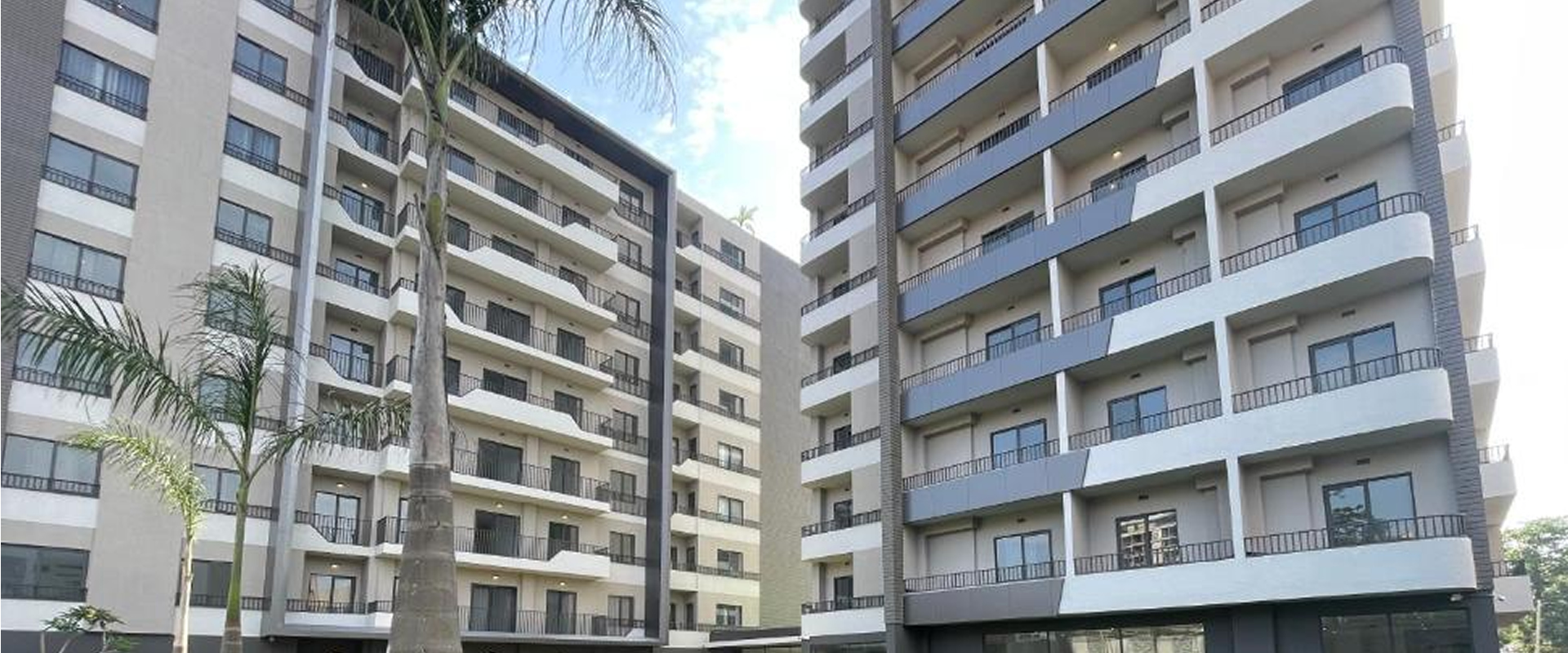
A property management firm is an organisation that assumes operational responsibility for a rental property within an agreed scope. It is not just a letting agent who finds a tenant and disappears. A firm stays involved through the tenancy: administering the agreement, collecting and reconciling rent, coordinating maintenance, inspecting the property and reporting to the owner. The key word is firm it implies structure, process and continuity beyond a single individual.
In Uganda's rental market, property management firms in Kampala and other urban areas typically work with landlords who own one or more residential units, apartment buildings or mixed portfolios. The firm may operate as a standalone management business or as part of a wider property services organisation. What matters for evaluation is the scope it actually delivers, the processes it documents, and the accountability it accepts.
This page treats the property management firm as a professional entity to be assessed its capabilities, credibility, selection criteria and red flags rather than as a catalogue of services. For a broader service overview, see property management services in Uganda. For the company as a provider, see property management company in Uganda.

The categories below describe the operational capabilities that a credible property management firm should be able to explain, evidence and document. A firm may not cover every item for every property, but it should be able to clarify what it does, how it does it, and what is excluded.
A firm should be able to describe how it markets vacant units, how it qualifies prospective tenants, what checks it performs and how it documents screening decisions. Vague answers such as "we find good tenants" are not sufficient. A professional residential property management firm should explain its screening criteria, the information it verifies, and how it records the outcome. These procedures protect the landlord and reduce avoidable tenancy risk.
A firm should be able to describe how tenancy agreements are prepared, what information is recorded, how copies are provided and how tenancy changes are documented. In Uganda, the Landlord and Tenant Act, 2022 sets out requirements for tenancy agreements, including that agreements of a certain value be in writing and that the tenant receive a copy. A firm should be able to describe its documentation routine; it should not present itself as a substitute for legal advice.
Rent collection is a defining capability for most landlords. A firm should explain how rent is collected, how payments are recorded and reconciled, what happens when rent is late, and how arrears are followed up. It should also explain how it separates the record of payment from the handling of funds. Rental income record-keeping supports tax compliance, and the Uganda Revenue Authority's rental income tax guidance is the relevant official reference for landlords.
A firm should describe how maintenance requests are received, recorded and prioritised, how contractors are selected or approved, how work is supervised and how repair histories are kept. It should also state the escalation process for urgent issues and clarify who authorises spending above an agreed threshold. Coordination is different from carrying out repairs; the firm should be clear about which activities are included.
Inspections help detect maintenance needs, condition changes and occupancy issues before they become expensive. A firm should explain whether inspections are included, how often they take place, how findings are documented and how the landlord is informed. Inspection records also support end-of-tenancy discussions and maintenance planning.
Day-to-day tenant communication is a significant part of management. A firm should explain who handles tenant enquiries, how complaints are recorded, how disputes are managed, and when the landlord is informed. It should also describe how it distinguishes routine communication from matters that require the owner's decision or legal input.
A firm should be able to show what its reports look like before it is appointed. Sample reports should indicate how rent, arrears, expenses and maintenance are recorded. The firm should explain how funds are accounted for, how often statements are provided, and how the owner can raise queries. Transparency here is one of the strongest indicators of a professional firm.
| Capability area | What a firm should explain | Evidence a landlord can request |
|---|---|---|
| Tenant screening | How tenants are sourced, verified and approved | Screening checklist or process document |
| Tenancy documentation | How agreements are prepared, stored and updated | Sample tenancy file structure |
| Rent collection | Collection method, reconciliation and arrears process | Sample rent statement or reconciliation |
| Maintenance coordination | Logging, authorisation, contractors and escalation | Sample maintenance log or workflow |
| Inspections | Frequency, format and documentation of findings | Sample inspection report |
| Reporting and accountability | Report content, frequency and query process | Sample monthly or periodic report |
The distinction matters because the two models operate differently. An individual agent is often a single person who handles lettings or management tasks personally. A property management firm is an organisation with documented processes, defined roles, record-keeping systems and continuity beyond one person. The trade-off is not automatically in favour of either it depends on the property and the landlord's requirements.
A firm can usually handle multiple units, maintain formal reporting and apply consistent procedures across a portfolio. It may also offer more predictable coverage when the individual handling your property is unavailable. A single agent may offer a more personal relationship and lower overhead. Landlords should choose based on the actual responsibilities involved, not on labels.
| Area | Property management firm | Individual agent |
|---|---|---|
| Structure | Organisation with defined roles and processes | One person handling tasks personally |
| Continuity | Continuity beyond one individual | Depends on the individual's availability |
| Reporting | Usually formal and documented | Varies; may be informal |
| Multiple properties | Typically set up for portfolios | May be limited by capacity |
| Relationship | Process-driven, with named contacts | More personal, direct relationship |
Use the following framework to compare property management firms in Kampala and across Uganda on substance rather than marketing language. The framework is designed to be applied consistently to every firm you consider.
The following questions are designed to reveal whether a firm has thought through its own processes. A professional firm should be able to answer them clearly without deflecting.
A property management firm for landlords in Uganda should welcome these questions. A firm that avoids them, or answers vaguely, is not demonstrating the transparency expected of a professional provider.
Warning signs are not proof of misconduct, but they are reasons to slow down. The following patterns are common among providers that are not equipped for professional management.
Use these warning signs alongside the evaluation framework above. They are not a substitute for reviewing the agreement and asking direct questions, but they help focus attention on the areas where problems most often arise.
Landlords approach property management firms for practical reasons, not because a firm guarantees better outcomes. Common motivations include:
These are operational benefits. A property management firm should not promise guaranteed rental income or guaranteed occupancy. What a professional firm can offer is structure, process and accountability within an agreed scope.
Landlords with more than one rental unit face a scaling problem: the same management tasks multiply, but the time available does not. Rental property management firms in Kampala and across Uganda commonly manage multiple units, but not every firm is set up to do so well. The key question is whether the firm can keep each property's records, finances and tenant matters clearly separated while applying consistent procedures across the portfolio.
A firm managing a portfolio should be able to show portfolio-level reporting, unit-level records and a clear process for allocating shared costs or maintenance across properties. Ask how this is handled before appointment. A house and apartment management firm in Uganda with genuine portfolio experience will usually have a defined structure for it.
Just To Let is a property management firm based at Najera One, Bulabira Road, Kampala. The firm works with landlords and property owners on property management, rental management, rent collection and property administration. It can be reached on +256 759 653380 or info@justtolet.co.ug.
If you are evaluating property management firms in Kampala, the practical next step is to define what you need: which responsibilities you want to delegate, how you want rent and expenses documented, how maintenance should be handled, and what reporting you expect. Just To Let can then confirm what is available within its actual service scope. Not every task described in this guide is automatically included in every engagement.
To discuss your property and management requirements, use the contact details above or request a quote. You can also review the property management company page for the firm's provider profile, and property management services for the service scope.
Direct answers to common questions from landlords evaluating a property management firm in Uganda and Kampala.
Depending on your property and requirements, these pages may be relevant:
If you own rental property in Uganda and are evaluating a property management firm, contact Just To Let to confirm the available scope, reporting and management arrangements for your property.
Email: info@justtolet.co.ug · Najera One, Bulabira Road